
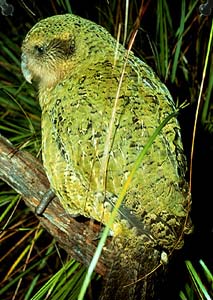
Up to 84 female kakapo parrots could potentially lay eggs this season, offering the critically endangered species its strongest breeding year in nearly 50 years.
There are only 242 kakapo parrots left on Earth. They are flightless, nocturnal, and extraordinarily long-lived. They breed only when a native tree called the rimu produces its nutritious fruit, which happens every two to four years. In 2026, the rimu is fruiting well, and up to 84 female kakapo could potentially lay eggs.
Conservationists are calling this the best potential breeding season since 1977, nearly 50 years ago. The birds live on three remote, predator-free islands off the coast of New Zealand, where the Department of Conservation has worked for decades to give the species a fighting chance.
What makes this season especially meaningful is the approach being taken. Conservationists are managing the process less heavily than in previous years, stepping back to allow the birds to nest and raise chicks with less human intervention. The goal has always been a self-sustaining population.
The kakapo has become one of the world's most beloved conservation stories, partly because of the birds' gentle, curious personalities, and partly because of the sheer improbability of their survival. Each chick born this season adds to a population that was once on the very edge of disappearing.
Nesting and hatching will continue through May, and conservationists will keep careful watch without interfering unnecessarily. Every egg, every chick, is a small step toward a future where the kakapo no longer needs to be saved.
Some good news is quiet and green and lives on an island in the South Pacific. The kakapo breeding season is exactly that kind of news: gentle, hopeful and deeply worth paying attention to.
Source: The Revelator