
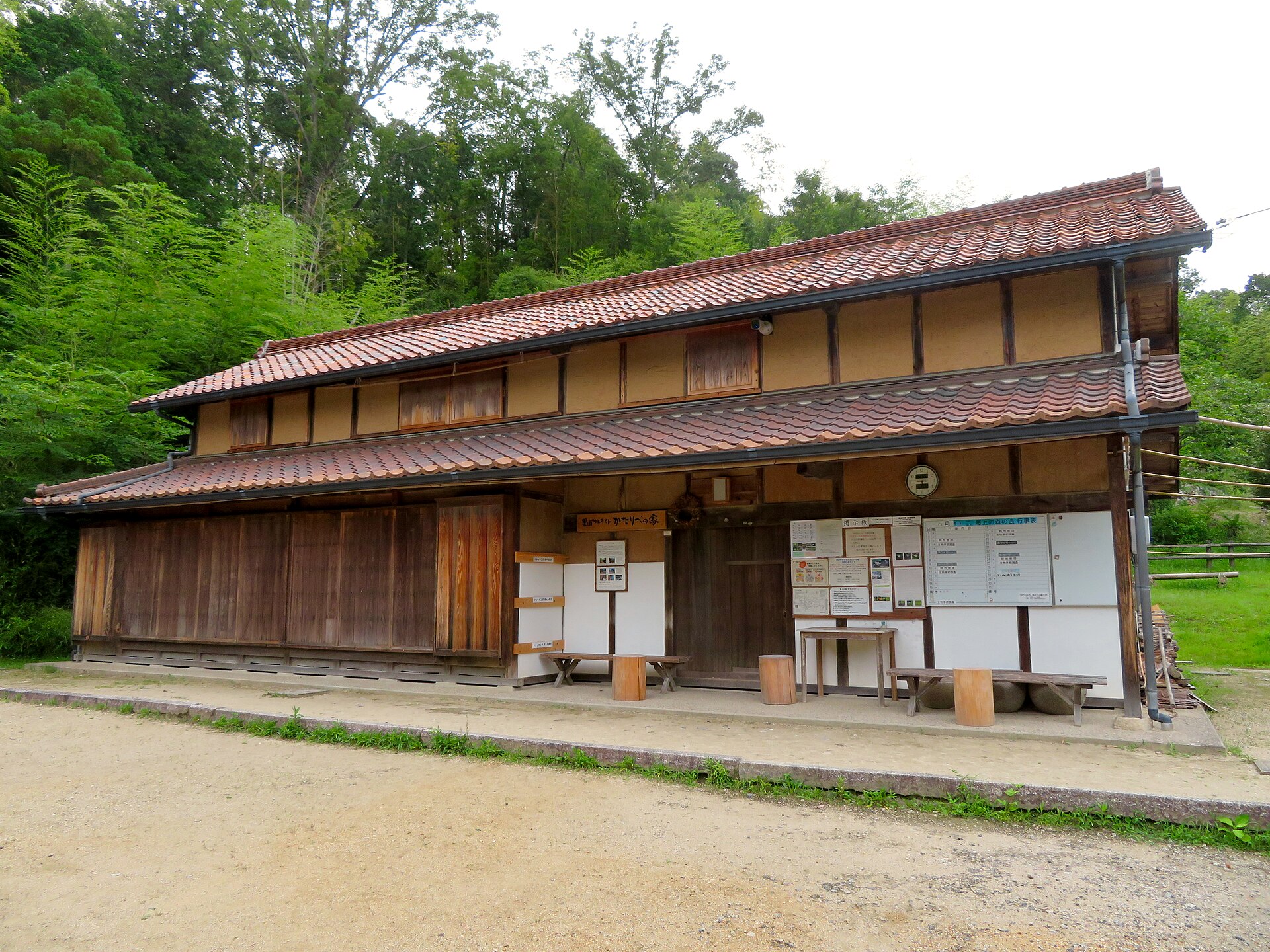
A Japanese regional project is presenting local timber use and restored satoyama landscapes as part of nature-positive work.
What happened
Satoyama landscapes are traditional Japanese mosaics of woodland, fields, streams and settlement that depend on careful human management.
A 2026 regional nature-positive discussion in Tamba highlighted local timber use as one practical way to keep forests cared for rather than abandoned.
The event also pointed to uses for undervalued local resources, including projects that repurpose unused schools and connect them with forest work.
The message is not that all forests should be exploited. It is that some cultural landscapes survive only when local people have a reason to manage them well.
Why it is good news
This is good because it avoids the false choice between people and nature. In satoyama landscapes, the relationship itself is the heritage.
The useful thing about this story is that it is specific. It names a place, a real action, and a result that can be seen or measured. That makes it stronger than a vague promise and more readable than a slogan.
Source: APN-GCR