
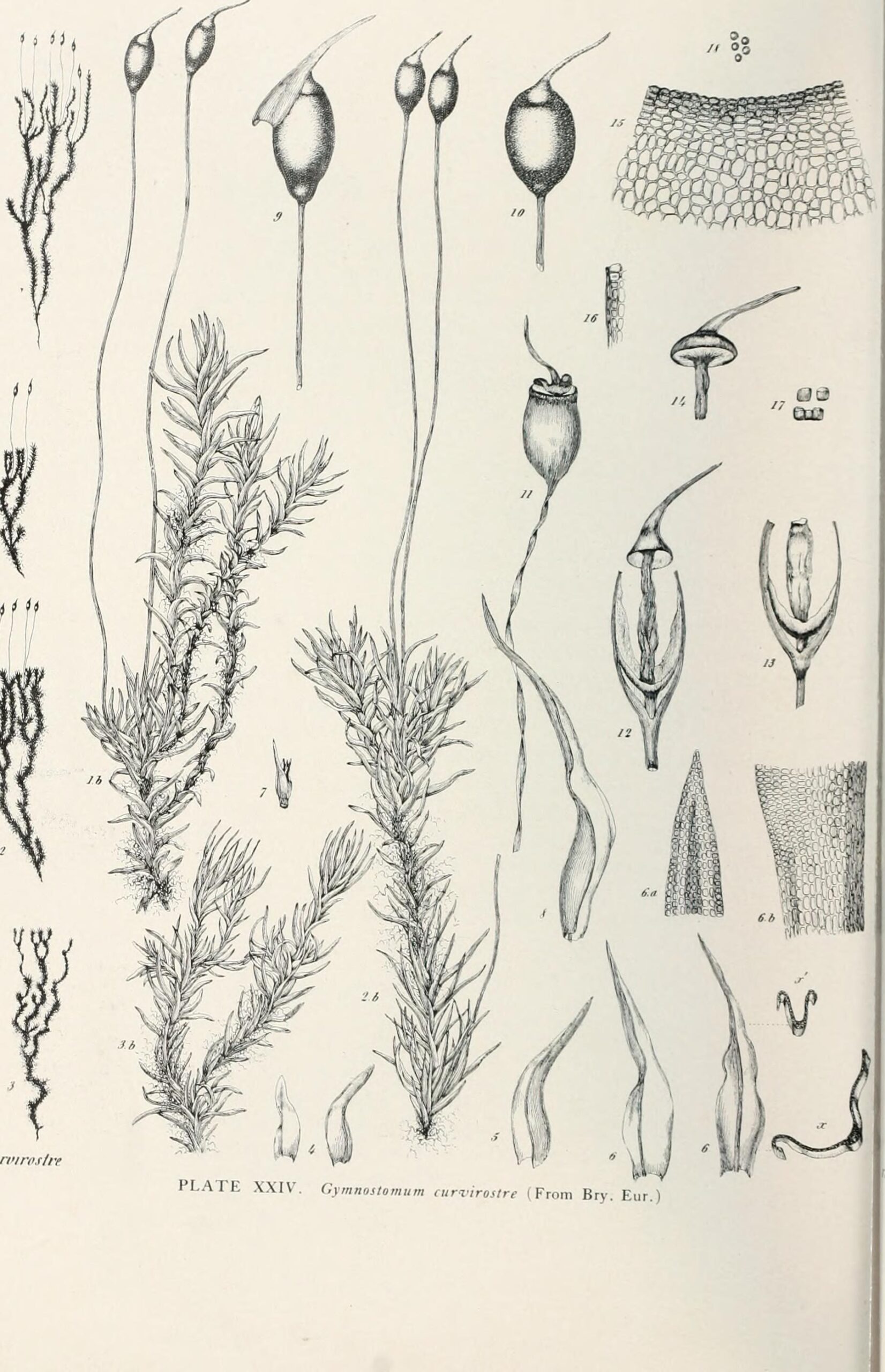
Moss spores exposed outside the International Space Station survived for nine months, showing again how stubborn life can be.
What happened
Researchers exposed spores of the moss Physcomitrella patens outside the International Space Station.
The spores survived nine months in extremely harsh conditions, including vacuum and radiation exposure.
Mosses are pioneer plants on Earth, often among the first to colonise bare or disturbed surfaces.
The experiment is useful for astrobiology because it tests how simple life forms handle environments far beyond ordinary Earth conditions.
Why it is good news
It is a beautiful science story because it is small and enormous at the same time: tiny spores, huge question.
The useful thing about this story is that it is specific. It names a place, a real action, and a result that can be seen or measured. That makes it stronger than a vague promise and more readable than a slogan.
Source: Good News Network