
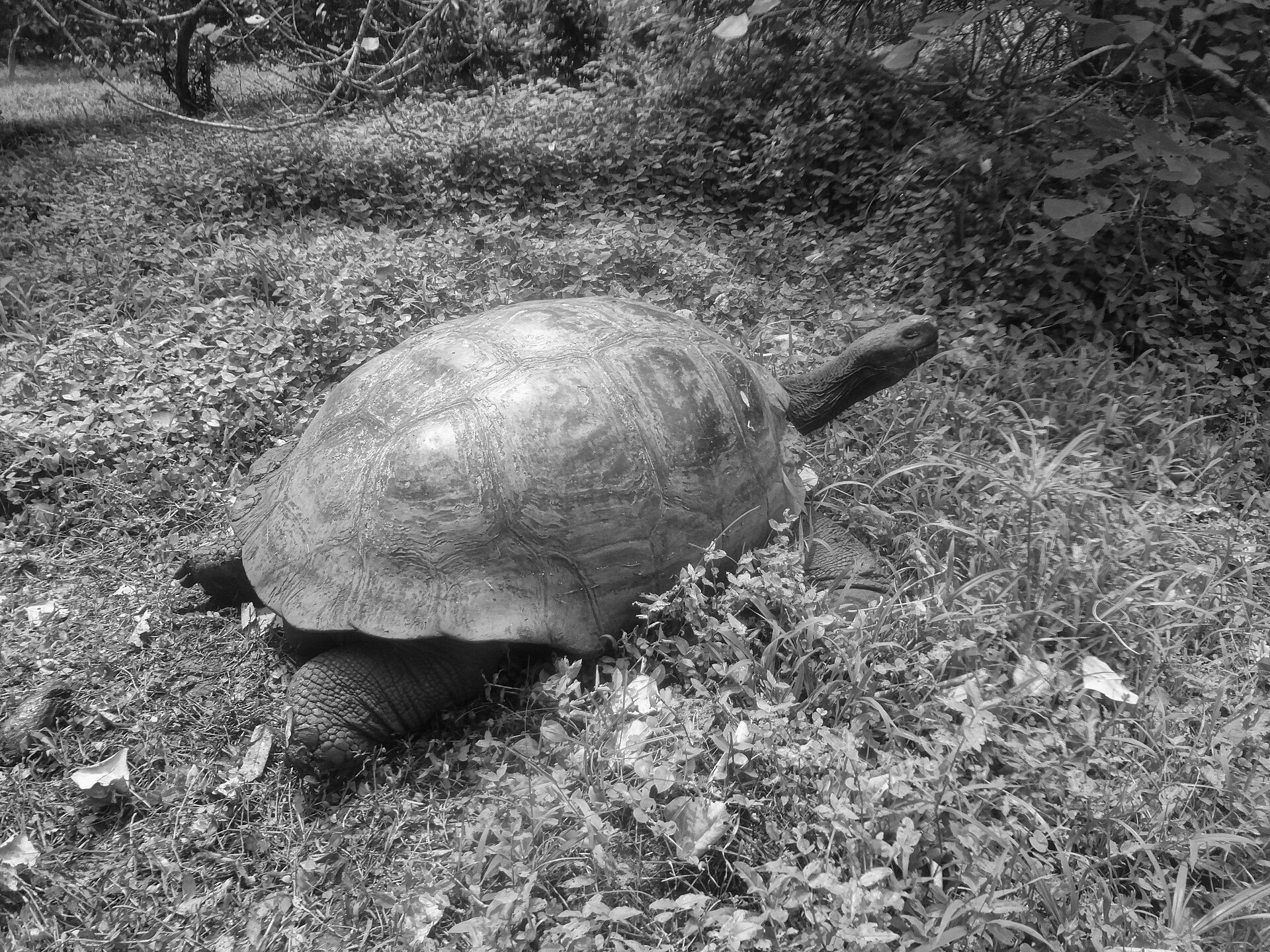
A major Galápagos restoration effort has released giant tortoises onto Floreana Island, where their ecological role had been missing for around 180 years.
On Floreana Island in the Galápagos, giant tortoises are walking again after an absence of about 180 years. The release of 158 endangered tortoises is part of a restoration effort that reaches beyond saving a single animal. It is an attempt to return a missing ecological role to an island shaped by tortoises over long periods of time.
Giant tortoises are slow animals, but their influence is large. They graze vegetation, move seeds through their digestive systems, open paths and help shape plant communities. When they disappeared from Floreana, the island lost those daily processes. Plants still grew, but the landscape was missing one of the animals that had helped organise it.
The return is therefore not only a wildlife release. It is ecological repair. Conservation teams have worked to prepare the island, manage threats and choose animals that can establish a population. The tortoises will now be monitored as they settle, feed, move and eventually reproduce.
Galápagos conservation often requires undoing damage caused over centuries by introduced species, hunting and habitat change. Progress is slow because island ecosystems are complex and because the animals involved often have long lives and slow breeding cycles.
The image of a giant tortoise moving across Floreana is simple, but the work behind it is not. Each animal carries a piece of the island’s older rhythm back into the present. The first steps are heavy, quiet and slow, which is exactly how this kind of restoration usually begins.
Source: Good News Network