
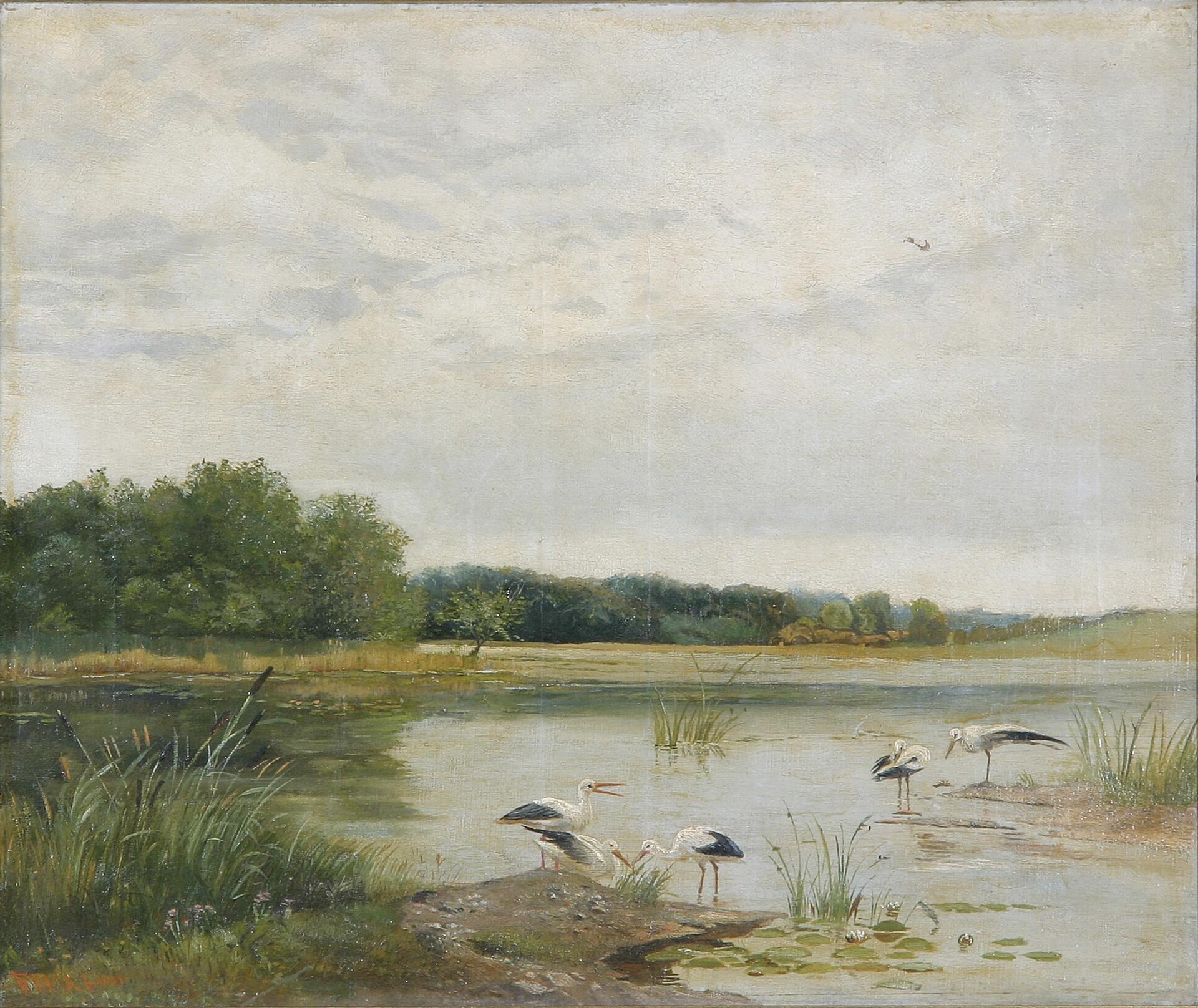
Denmark’s new state-aid scheme will support voluntary climate and nature projects on privately owned land, including wetlands, rewetting and land restoration.
Denmark has received approval for a €1.04 billion state-aid scheme that will help landowners take part in climate and nature projects. The programme is built around voluntary participation, which means landowners can choose to enter suitable land into projects rather than being forced into a single national design.
The scheme is aimed at land that can deliver environmental benefits when it is restored or taken out of intensive production. Projects can include rewetting drained soils, creating wetlands, restoring natural hydrology and reducing greenhouse-gas and nitrogen emissions from areas that have been managed heavily for agriculture or forestry.
For a small country with a highly managed landscape, this is a large shift in how land is valued. The useful result is not simply a new line in a budget. It is a mechanism that can pay people for letting land become wetter, wilder and more useful for biodiversity and climate adaptation.
The plan also fits into Denmark’s wider green land-use transition. Instead of treating nature restoration as a side activity, the scheme gives it a financial structure and a legal route. That matters because many restoration projects fail not because the idea is bad, but because land ownership, payment and long-term management are hard to solve.
The Danish model will now be watched closely by other European countries trying to combine agriculture, climate targets and biodiversity recovery. If it works well, it could show how private land can become part of national nature repair without turning every project into a fight.
Source: European Commission