
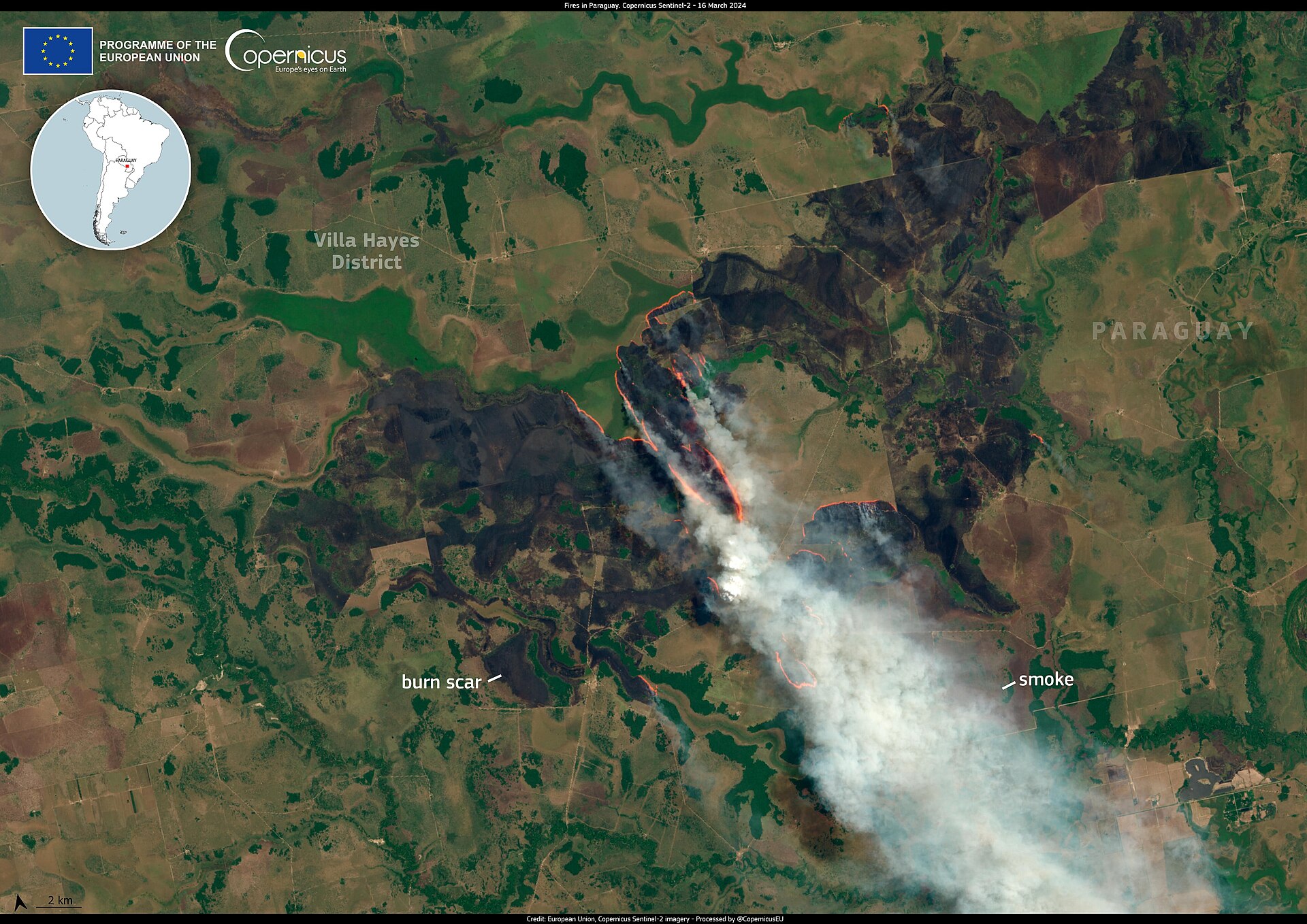
The European Commission’s wildfire strategy puts emphasis on prevention, fire-resilient landscapes and nature restoration as part of reducing future risk.
The European Commission has launched a strategy to address Europe’s rising wildfire threat, and the most encouraging word in the announcement is prevention. The strategy puts attention on fire-resilient landscapes, nature protection and restoration rather than only emergency response.
That shift is important. Firefighting will always be needed, but fires become harder to control when landscapes are dry, uniform, overgrown or poorly managed. Prevention begins earlier, with land use, vegetation structure, local planning and cooperation between authorities and communities.
Nature restoration can help because healthy landscapes often manage water, shade and vegetation better than degraded ones. Wetlands, mixed forests, grazed mosaics and maintained buffer zones can all reduce the conditions that allow fires to spread with extreme intensity.
This is not soft optimism. It is risk management with dirt under its fingernails. A safer Europe will need helicopters and firefighters, but it will also need landscapes designed to be less flammable in the first place.
Source: European Commission Civil Protection and Humanitarian Aid