New UK Rules Are Moving Plastic Wet Wipes Out of Rivers and Sewers
Restrictions on plastic-containing wet wipes are part of wider efforts to reduce sewer blockages, river pollution and avoidable plastic waste.
Practical ideas that make life better.
Restrictions on plastic-containing wet wipes are part of wider efforts to reduce sewer blockages, river pollution and avoidable plastic waste.
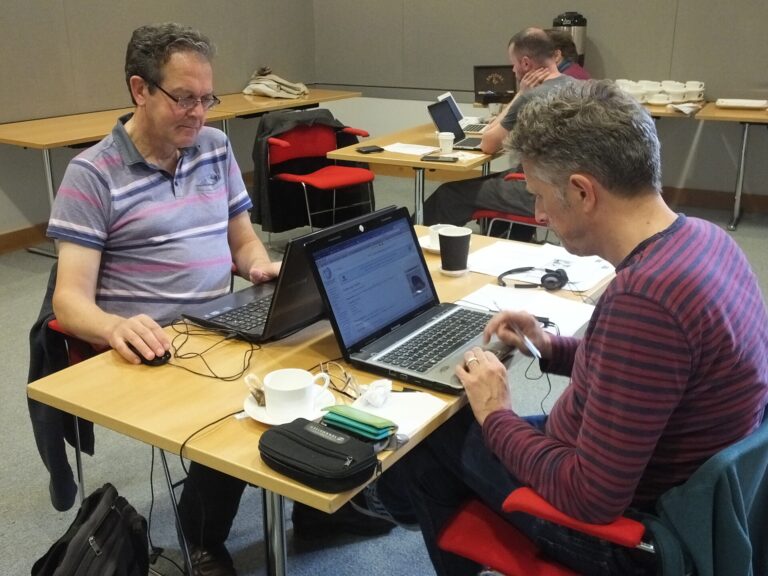
A grant to the National Biodiversity Network Trust supports the data infrastructure behind wildlife recording and conservation decisions in the UK.
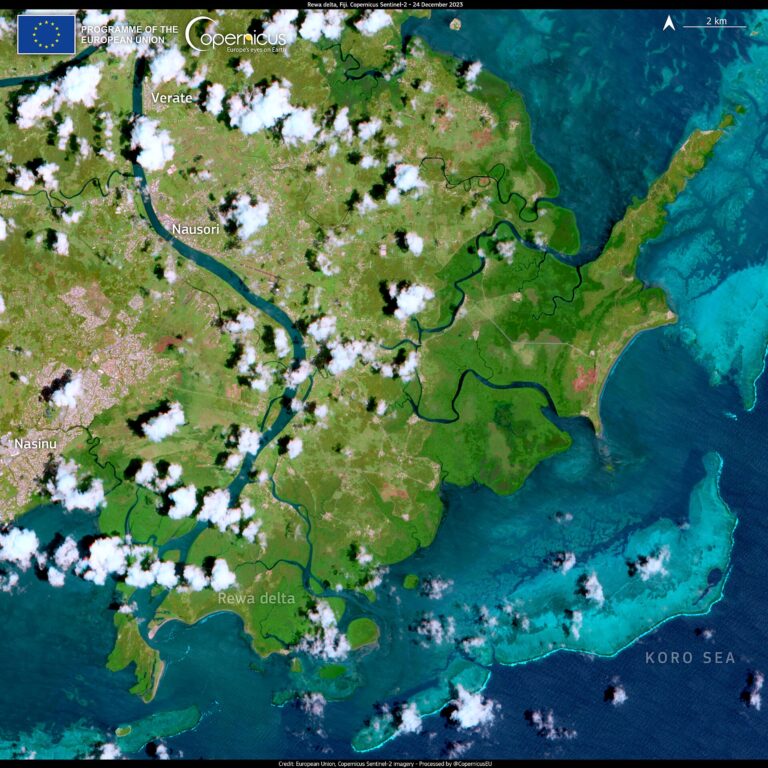
EU countries are preparing national restoration plans under the Nature Restoration Regulation, turning targets into practical restoration pathways.
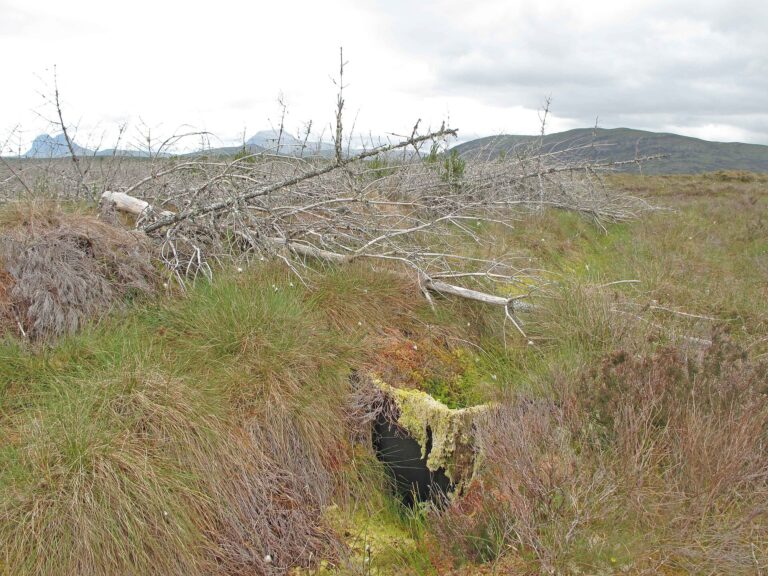
Plans reported for government-owned land include prison tree nurseries, peatland restoration on military ranges and wildlife crossings near roads and railways.
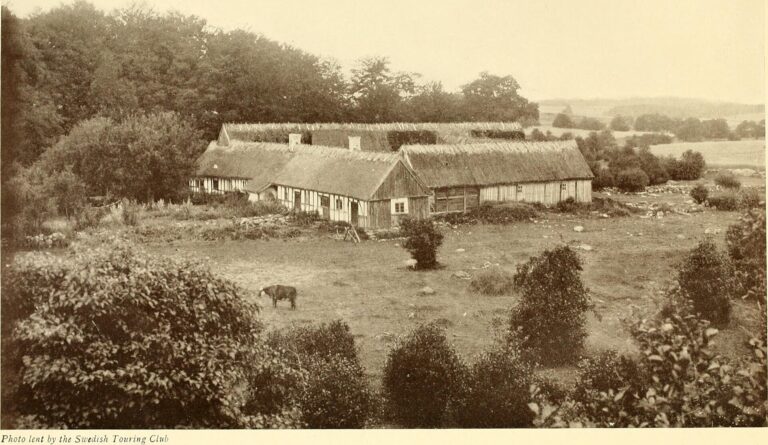
Swedish fashion companies and designers are working toward circular models that reduce waste and keep materials in use for longer.
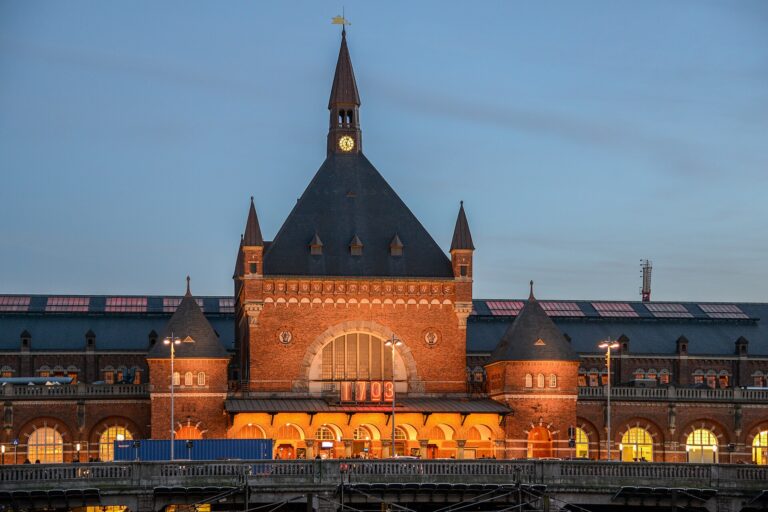
VisitDenmark’s green tips show everyday sustainability through cycling, urban gardens, food culture and public spaces rather than abstract promises.
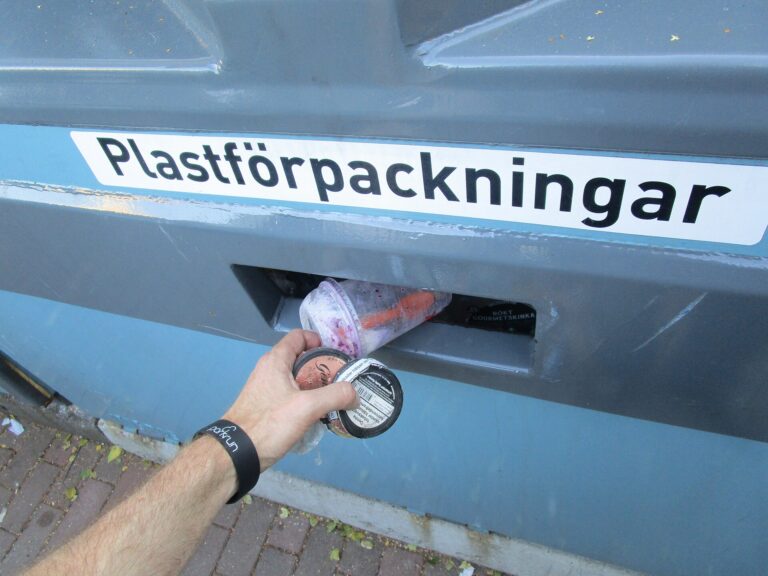
Sweden’s recycling systems turn food waste into biogas and use waste-to-energy systems to support buses, homes and district heating.
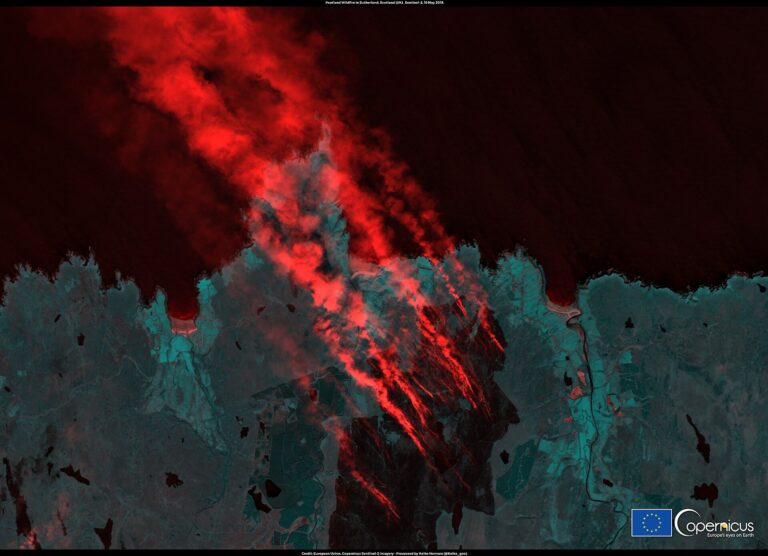
NatureScot’s Peatland ACTION programme offered week-long training to help excavator drivers gain forest-to-bog restoration skills.
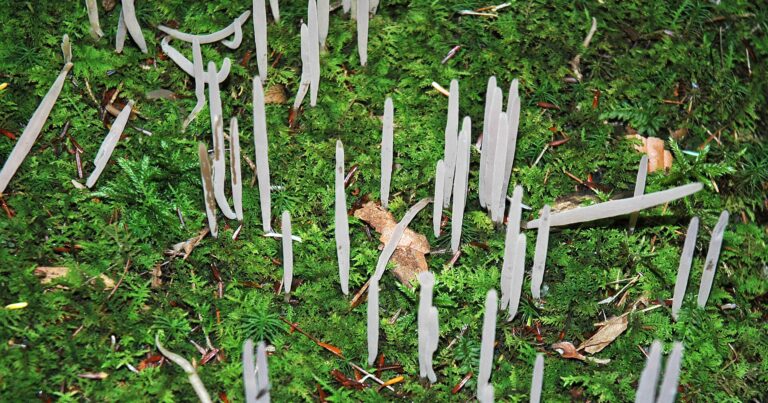
Dutch evolutionary biologist Dr Toby Kiers won the 2026 Tyler Prize for her groundbreaking work revealing that mycorrhizal fungi absorb roughly a third of global fossil fuel emissions each year.
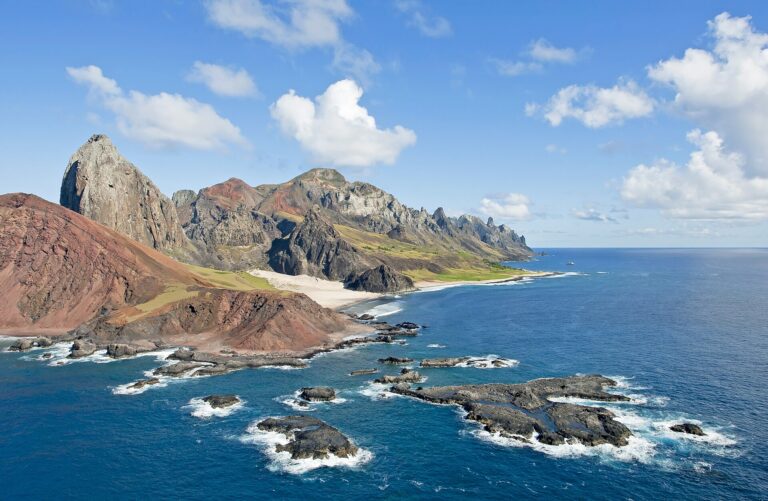
The High Seas Treaty entered into force in January 2026, establishing the first legal framework to protect marine biodiversity in international waters covering nearly two-thirds of Earth's oceans.