
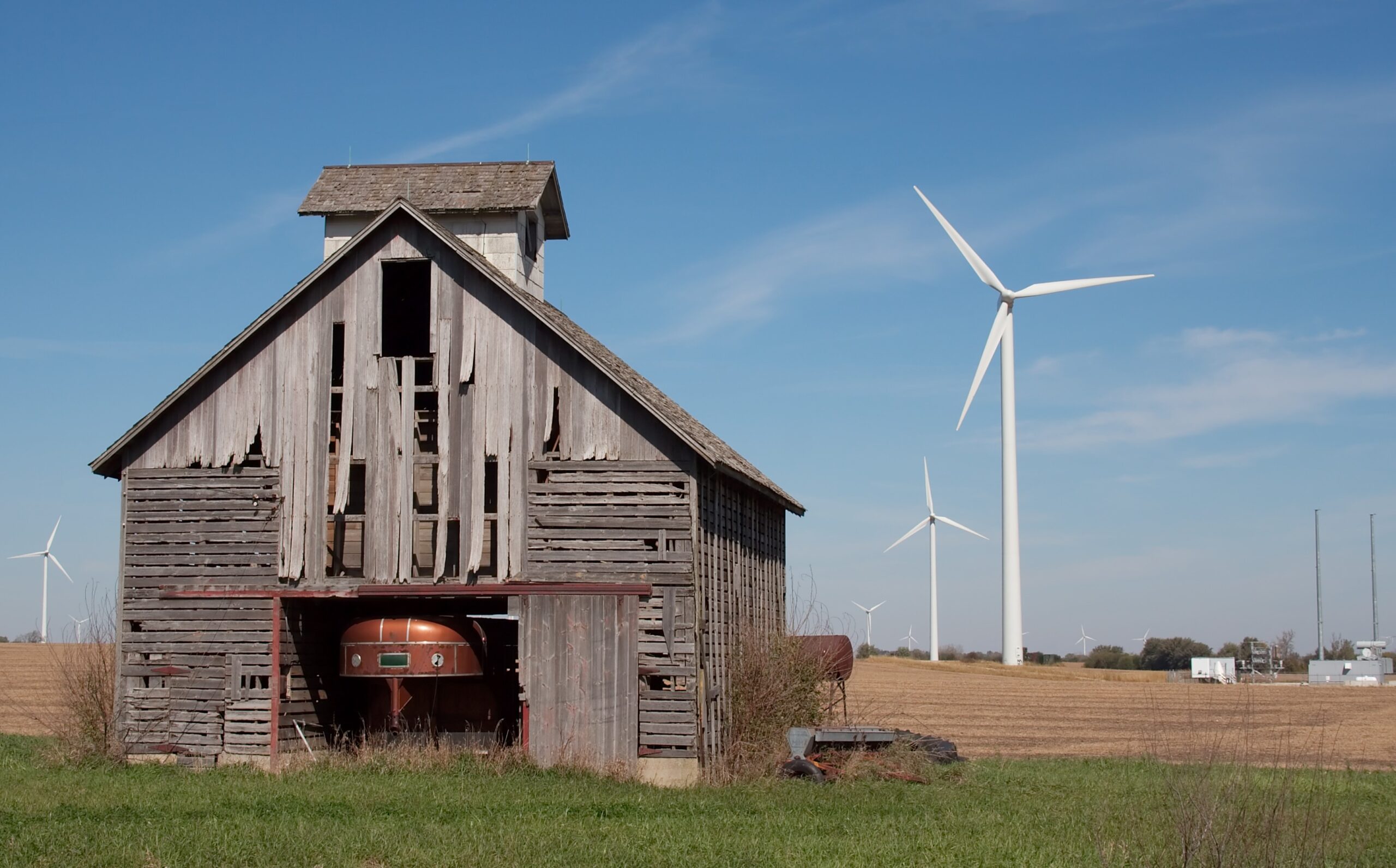
The 3.5-gigawatt SunZia wind farm begins generating power for over 1 million homes across the American West.
After nearly two decades of planning and two years of intense construction, the SunZia wind and transmission project has begun delivering clean electricity to homes across the American West. The 3.5-gigawatt facility stretches across three New Mexico counties, where 916 massive wind turbines now turn steadily in some of the windiest terrain in the United States. The project reached this milestone quietly in late April 2026, with electricity first appearing on California's grid without fanfare or official announcement.
The wind farm's power travels west through a 550-mile high-voltage direct current transmission line, one of the longest in the nation. This infrastructure allows renewable energy generated in New Mexico's wind-rich plains to reach population centers in Arizona and California where demand for clean power continues to surge. The transmission line represents a critical piece of the puzzle, solving the long-standing challenge of moving renewable energy from where it can be generated to where it's needed most.
What makes SunZia particularly valuable is its timing. Unlike solar power, which peaks during sunny afternoons, wind generation often increases at night and during evening hours when California's solar panels go dark. This natural complementarity means SunZia can help fill the exact gap when the state's grid has historically relied most heavily on fossil fuel plants. Grid operators have already noticed the impact, with California breaking its wind generation records multiple times in recent weeks.
The project's journey from concept to reality spanned nearly 20 years, navigating complex permitting processes, environmental reviews, and concerns from multiple stakeholders including Native American tribes and environmental groups. Five canopy bridges were built, camera traps installed, and extensive surveys conducted to minimize impacts on wildlife and culturally sensitive areas. The effort required coordination across federal, state, and private lands, touching 12 counties in its path from New Mexico to Arizona.
SunZia represents more than just megawatts and transmission lines. The project has created thousands of construction jobs and will support over 100 permanent positions for operations and maintenance. Local communities benefit from land lease payments, tax revenues, and infrastructure investments that extend far beyond the wind farm itself. For rural New Mexico counties, the economic boost provides long-term stability while contributing to global climate goals.
As electricity demand surges due to population growth, electrification, and the rapid expansion of data centers, projects like SunZia arrive at a critical moment. The facility demonstrates that renewable energy can scale to meet these growing needs without increasing emissions. While challenges remain in building clean energy infrastructure, the successful commissioning of America's largest renewable project offers a tangible glimpse of what a carbon-free grid could look like when ambition meets execution.
Source: E&E News by POLITICO