
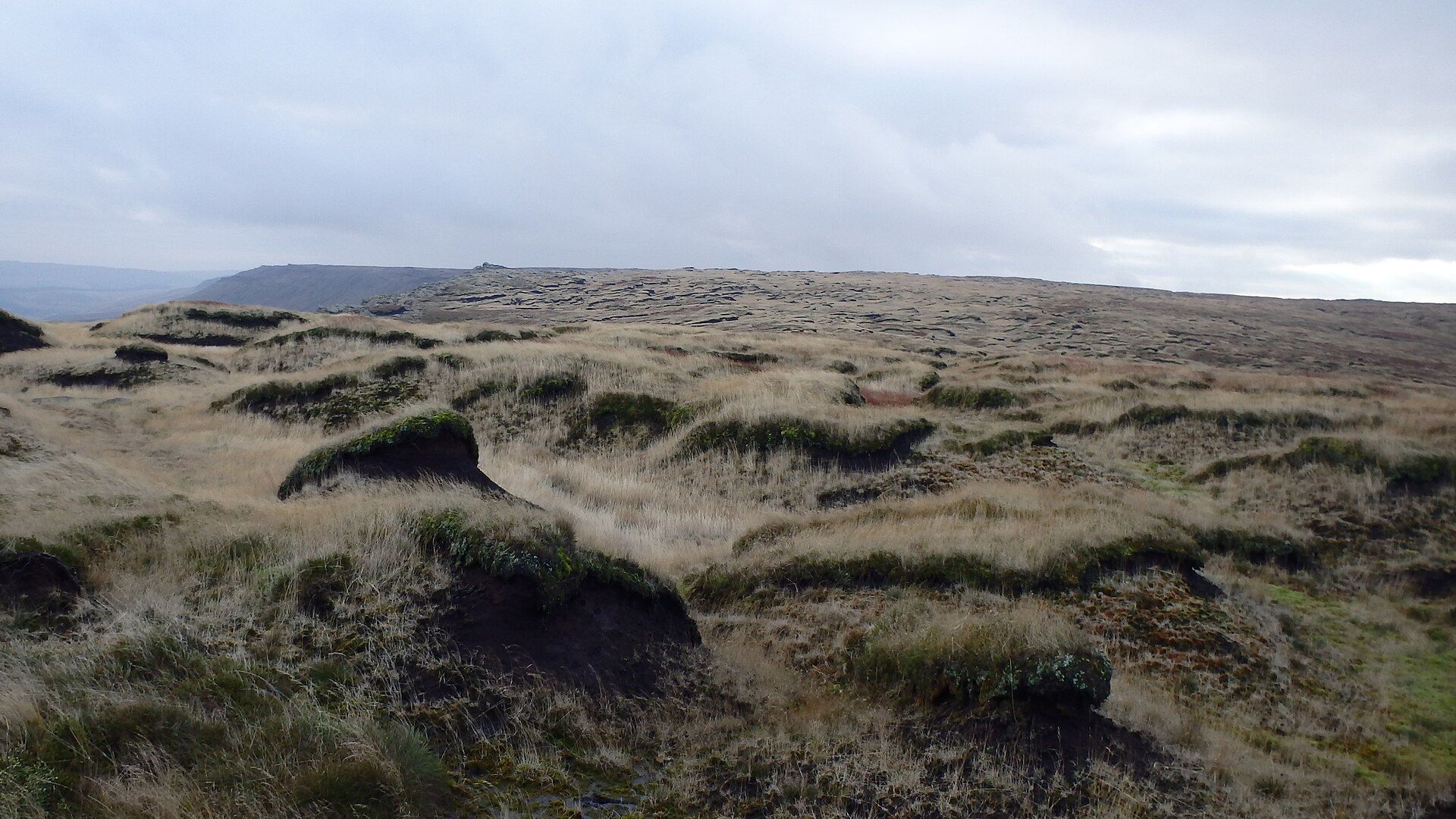
DEFRA highlighted peatland restoration projects across England, from the Border Mires to Bodmin Moor, as part of wider work to repair damaged peat soils.
England’s peatland restoration work is being highlighted through projects from the Border Mires to Bodmin Moor. DEFRA notes that peatlands are England’s largest terrestrial carbon store, while many are degraded, damaged and dried out.
Damaged peatlands can release carbon, lose specialist wildlife and become less able to regulate water. Restoring them often means blocking drains, rewetting the soil, managing vegetation and allowing bog plants to recover.
Peatland restoration is slow, careful work because the habitat itself is built over very long timescales. A bog cannot be recreated instantly, but its direction can be changed from drying and degrading back toward holding water and supporting life.
The positive part of the story is that these landscapes are being treated as vital natural infrastructure. Repairing them helps climate, water, wildlife and the long memory stored in peat.
Source: DEFRA Environment Blog