
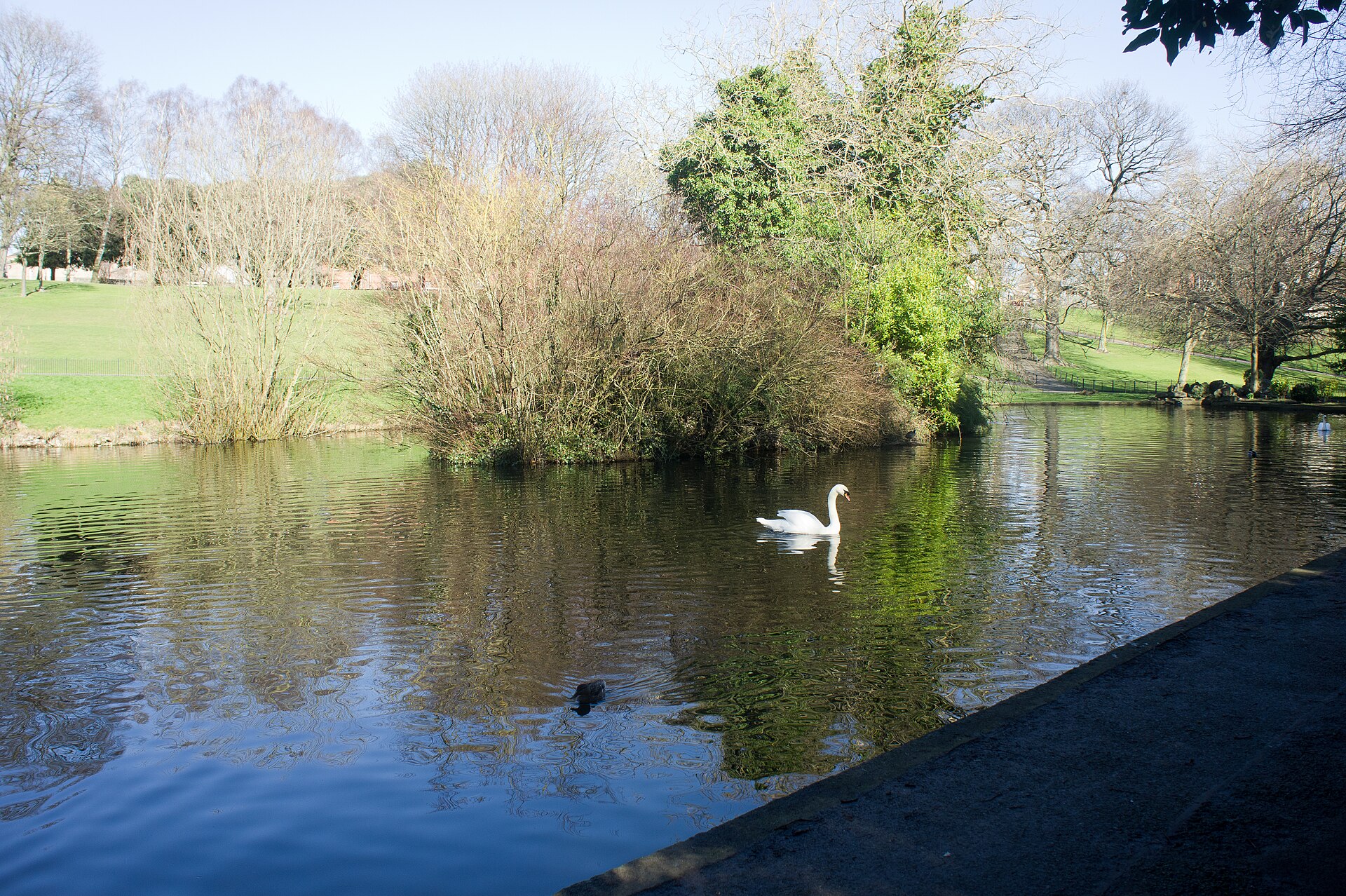
A study of more than 800 European cities found that access to urban green space is strongly linked to quality of life, prompting cities across the EU to accelerate urban greening programmes.
A study of more than 800 European cities has put a number on something that urban residents have known intuitively for generations: access to green space makes a city better to live in. The research, which compared tree cover, proximity to parks and access to nature across cities of different sizes, incomes and climates, found that access to urban green space is one of the strongest predictors of resident wellbeing, resilience to heat and overall quality of life.
The findings also revealed what the researchers called a green divide. Wealthier neighbourhoods consistently had higher tree cover, more park access and greater proximity to nature than lower-income areas in the same cities. The distribution of urban nature is not random. It reflects patterns of investment and planning that have, over decades, concentrated green amenities in areas that were already better resourced.
Cities across Europe have begun responding to this evidence with urban greening programmes that prioritise equity as well as ecology. Vienna, consistently ranked among the world’s most liveable cities, has long maintained a network of parks, forests and green corridors that cover more than half its land area. Zurich has expanded street tree planting with a specific focus on lower-income districts. Copenhagen has integrated green roofs, rain gardens and urban waterways into its planning as standard rather than exceptional.
The climate argument for urban greening has grown alongside the wellbeing argument. Urban trees provide shade that reduces the heat island effect, which raises temperatures in cities by several degrees above their surroundings. As European summers become hotter and more unpredictable, the cooling effect of urban vegetation becomes increasingly important for public health.
The EU’s nature restoration law, adopted in 2024, requires member states to develop plans for urban greening as part of their broader nature restoration commitments. Cities that were already moving in this direction now have legal obligations that support and accelerate their work. Cities that were slower to act have a framework that requires them to begin.
A tree planted on a street in a low-income neighbourhood provides shade for people who would otherwise have none, absorbs pollution from traffic that passes their homes, provides habitat for urban birds and insects, and makes the street more pleasant to walk down. It is a small thing and an important one, and European cities are beginning to plant more of them.
Source: European Union