
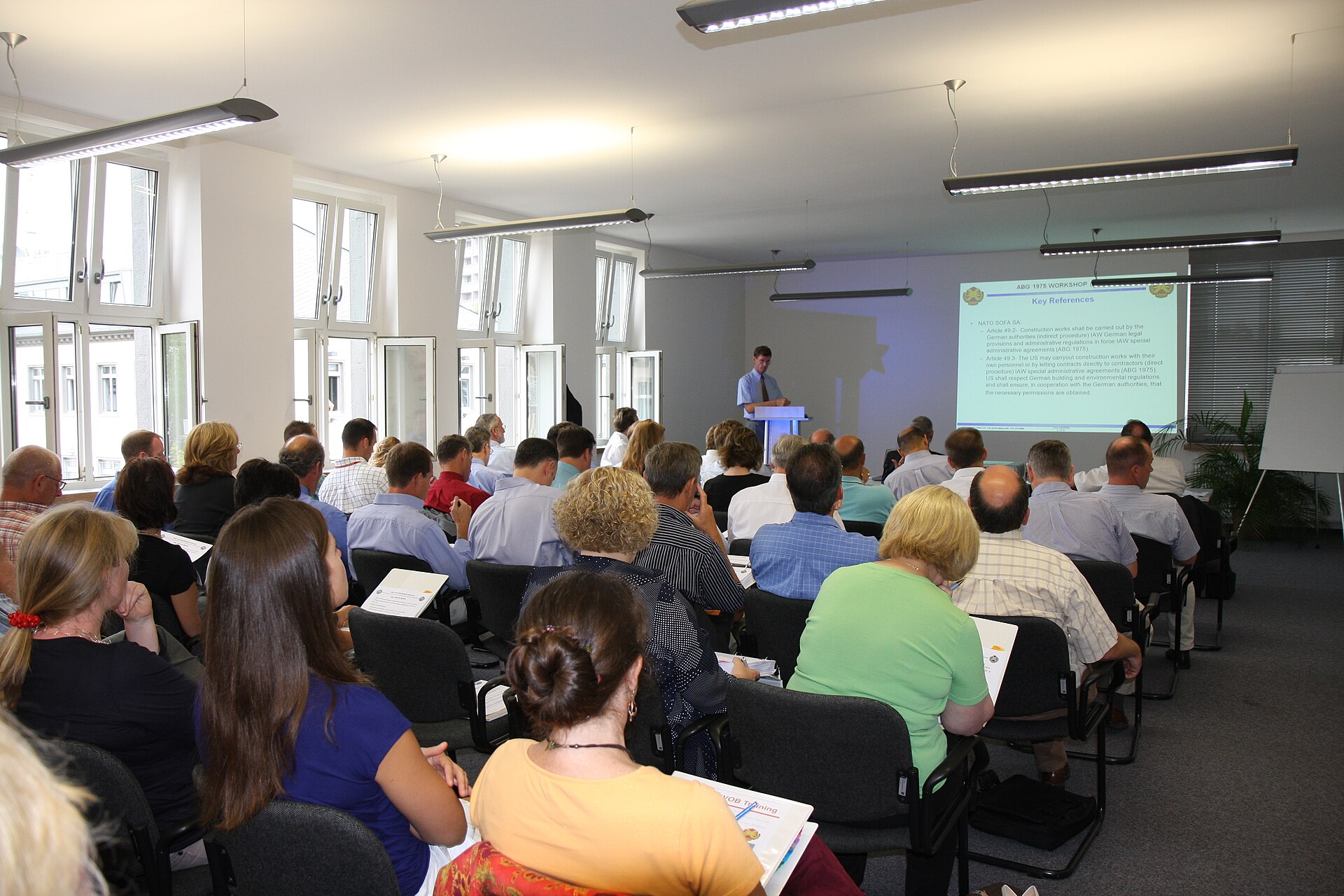
Over 10 million workers across the EU, including 3.9 million in 2025 alone, have received new skills through the European Pact for Skills programme since its launch.
The European economy is changing faster than the skills training systems that support it. Digital transformation, the green transition, the automation of routine tasks and the growth of new industries are all creating demand for capabilities that large parts of the existing workforce do not currently have. The gap between the skills that employers need and those that workers possess is a problem that plays out in individual lives: people who cannot find work that suits them, businesses that cannot find people who can do the work they need done.
The EU’s Pact for Skills was launched to address this gap at scale. It connects businesses, governments, training providers and social partners in a shared commitment to upskilling and reskilling workers across member states. The approach recognises that no single institution can solve the skills challenge alone and that coordination across employers, training organisations and public authorities is necessary for change at the scale Europe needs.
More than 10 million workers have now received training under the programme since its launch. In 2025 alone, 3.9 million people benefited, making it the programme’s most active year. The scale is significant: 3.9 million people gaining new capabilities in a single year represents a genuine shift in the European workforce, not a marginal adjustment.
The training spans a wide range of sectors and skill types, with particular emphasis on digital and green skills. Digital capabilities, from basic computing literacy to advanced data analysis and coding, are in demand across virtually every industry. Green skills, from energy efficiency auditing to sustainable construction techniques to the operation of renewable energy equipment, are increasingly essential as European industry decarbonises.
For individuals, the programme means access to training that might otherwise be unaffordable or inaccessible. For employers, it means a workforce better equipped to work with new technologies and methods. For Europe as a whole, it means an economy better prepared for a changing world.
Ten million people with new skills. The number is large enough to be abstract, but each person in it is specific: a warehouse worker who now understands how to use digital inventory management, a construction worker qualified to install heat pumps, an administrator who can analyse data that previously required specialist staff. The programme meets people where they are and moves them forward.
Source: European Union