
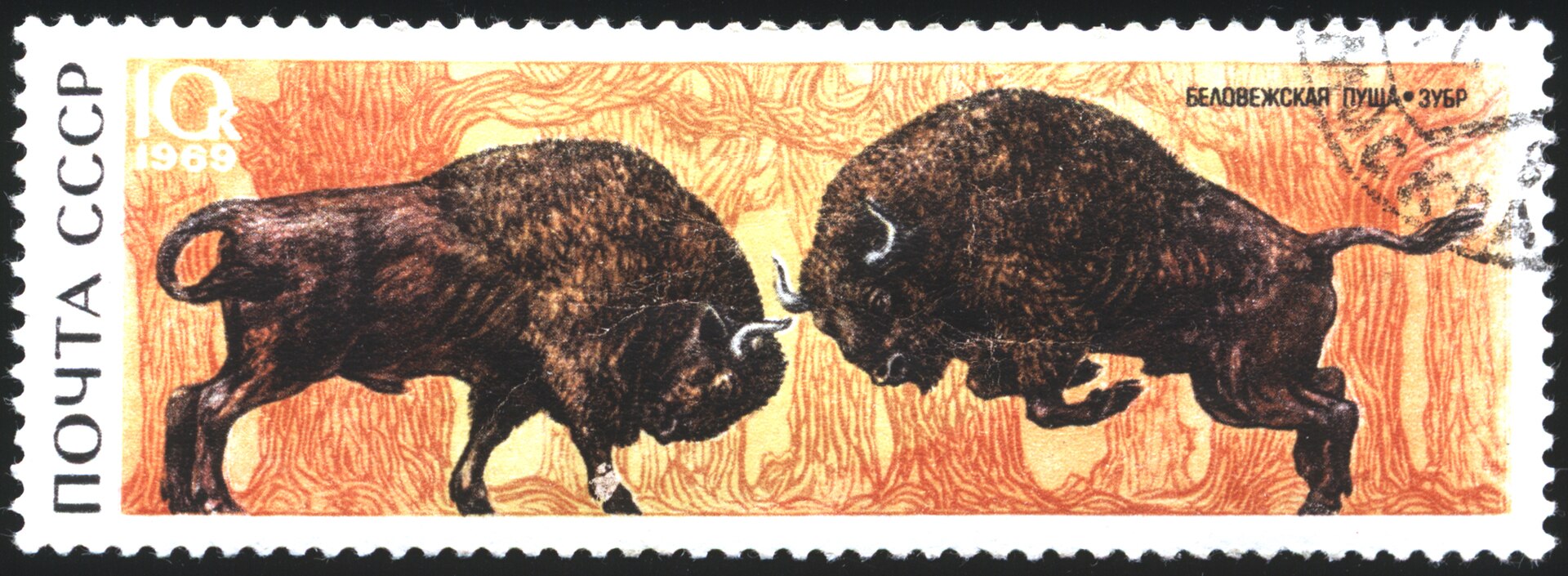
European bison numbers have grown from fewer than 60 individuals in captivity a century ago to around 9,000 animals today, one of conservation’s great recoveries.
In 1927, the European bison existed only in zoos and private parks. Fewer than 60 animals remained alive anywhere on Earth. The species had been hunted to extinction in the wild, its forests cleared, its range fragmented across a continent where large wild animals had been retreating for centuries. It seemed, to many observers at the time, like a species in its final chapter.
A century later, around 9,000 European bison roam across forests and grasslands from Poland to Spain. The recovery is the result of one of the longest and most painstaking conservation programmes in European history, involving coordinated breeding across dozens of zoos and wildlife reserves, careful genetic management to maintain diversity in a tiny founding population, and decades of reintroductions into protected areas.
The bison is not a passive presence in the landscapes it returns to. As a keystone species, it reshapes its environment through grazing, browsing and wallowing. Its movement through woodland opens clearings that support wildflowers, insects and the birds that feed on them. Where bison graze, the structure of the landscape changes, and with it the range of species that can live there.
In Spain, nine bison were recently released into the Iberian Highlands near the village of El Recuenco in Guadalajara province. It was the first time in modern history that Europe’s largest land mammal had been present in this particular landscape. The local mayor noted that the animals were expected to reduce wildfire risk through their browsing of dry woodland, while also drawing visitors to a region that has seen its population decline for decades.
Similar reintroductions have taken place in the United Kingdom, Germany, Romania and other countries. Together they have contributed to the remarkable numbers now spread across the continent. Rewilding Europe, the organisation that coordinates much of this work, tracks the population carefully and supports new release sites as suitable habitats are identified.
The story of the European bison is one that conservation tells when it needs to remind itself that recovery is possible. Sixty animals in captivity. Nine thousand in the wild. One century of work. It is not a quick story, and it was not an easy one, but it is a real one.
Source: Positive News