
Japan’s 2026 cherry blossom season officially began when benchmark Somei Yoshino trees opened their first blossoms in Kochi, Gifu and Yamanashi.
Japan’s cherry blossom season began officially when the first flowers opened on benchmark Somei Yoshino trees in Kochi, Gifu and Yamanashi. The announcement is not a casual guess. Japan’s Meteorological Agency uses designated sample trees and declares flowering when more than five blossoms have opened.
Kochi recorded the first bloom for the third year in a row, and the date was six days earlier than average. Gifu and Yamanashi were reported nine days earlier than usual. Those details matter because sakura timing is followed closely across Japan, not only by tourists, but by families, schools, businesses and local communities planning the start of spring.
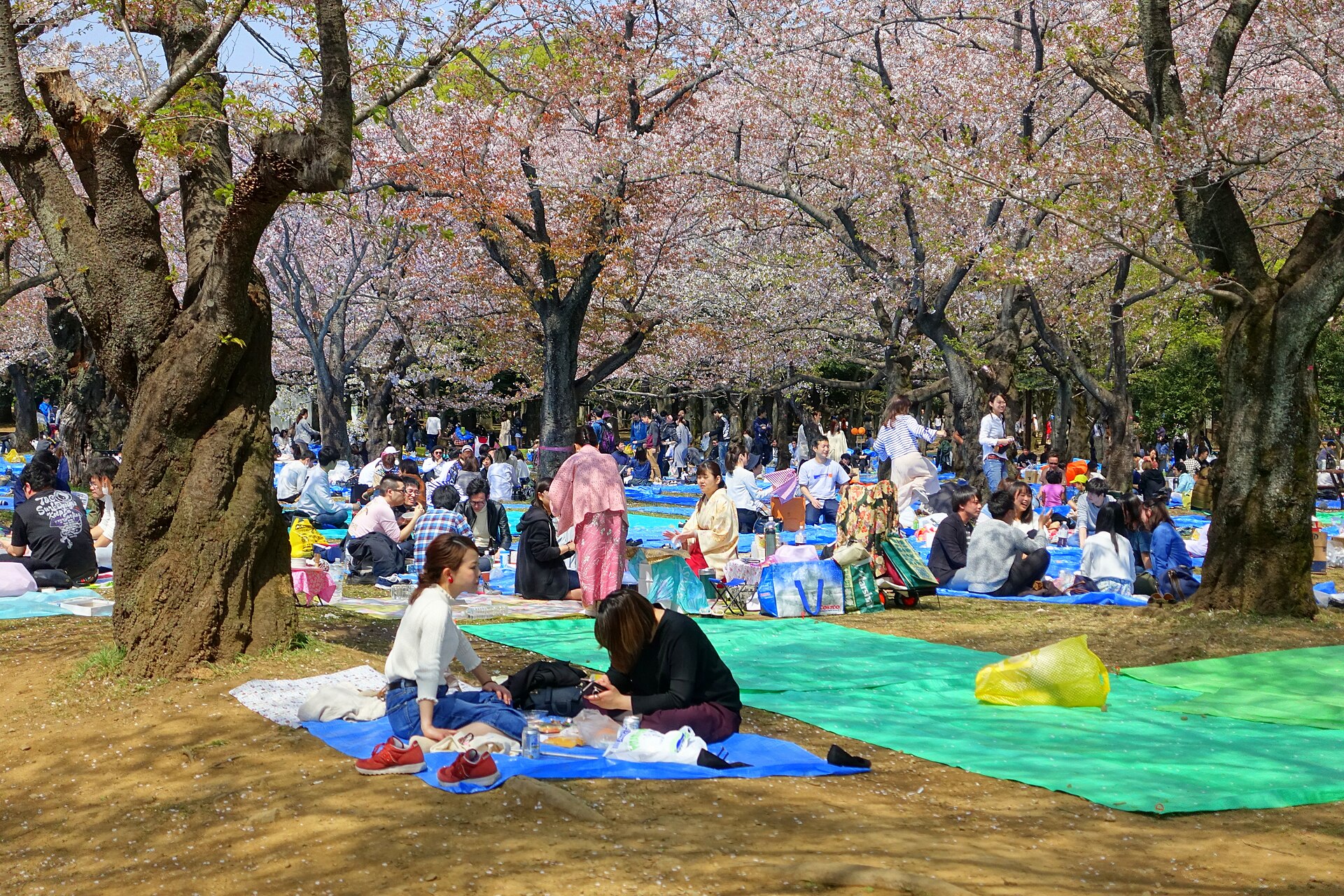
Cherry blossoms are beautiful, but the season is also part of the country’s social calendar. People gather under trees, visit parks, take photographs and mark a seasonal shift that coincides with the beginning of the school and business year. A first bloom therefore carries more weight than the opening of a flower in botanical terms.
The Somei Yoshino is especially important because it flowers before its leaves fully open, creating the pale clouds of blossom that many people associate with Japanese spring. The blooms are brief, which is part of their appeal. They ask people to notice the moment before it passes.
Every year, the sakura front moves northward through the country. The first confirmations in Kochi, Gifu and Yamanashi were the opening notes of that movement in 2026, turning weather, trees and public attention into a shared national rhythm.
Source: AP News