
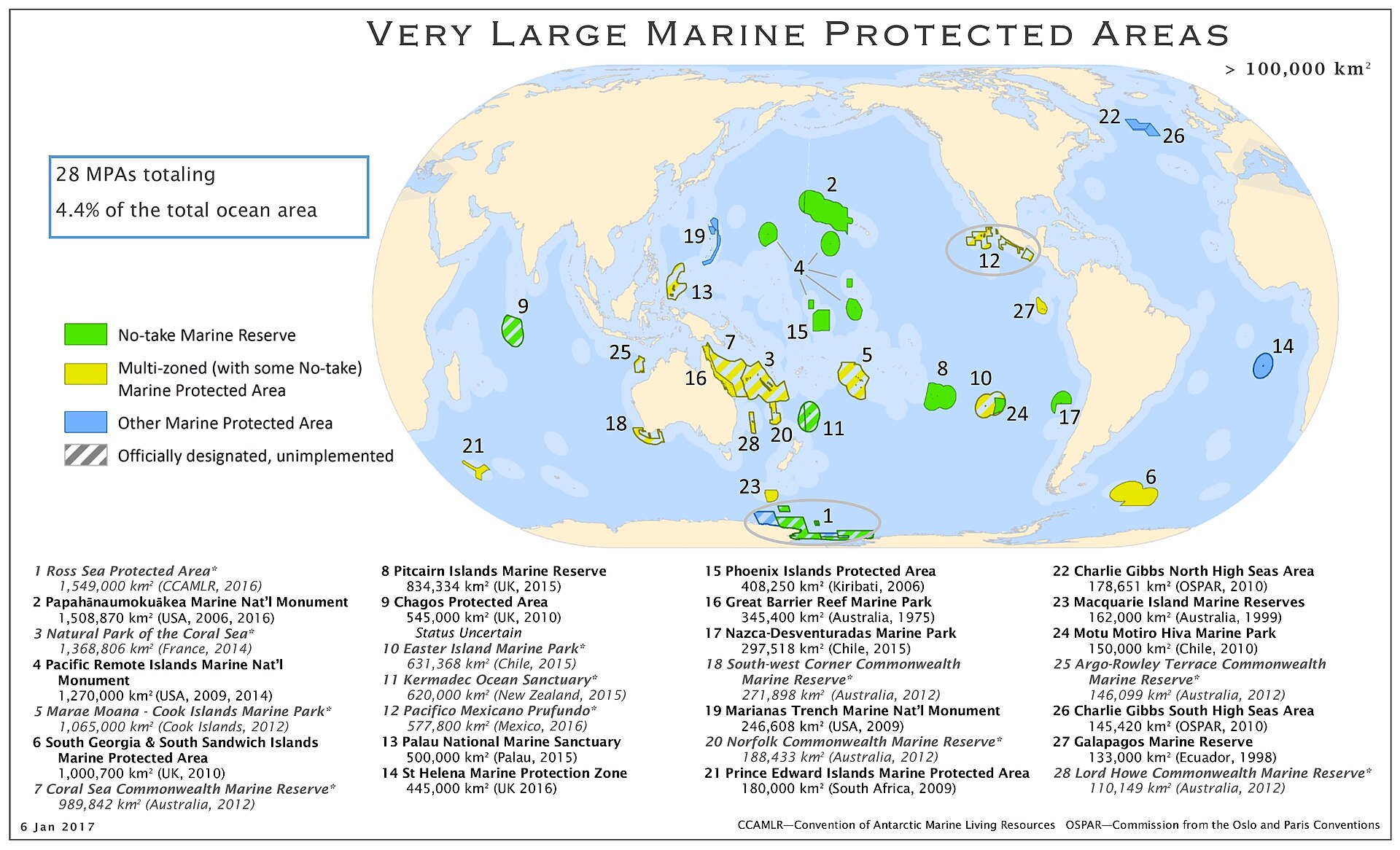
Recent reporting marked an ocean conservation milestone: more than 10 percent of the global ocean is now officially protected.
More than 10 percent of the global ocean is now officially protected, a milestone that conservation groups have been working toward for years. The figure does not mean the ocean is safe, but it shows that protection is moving from isolated sites toward a larger global network.
Marine protected areas can take many forms. Some limit fishing, mining or other extraction. Some protect coral reefs, seagrass, mangroves, deep-sea habitats or breeding areas. Their effectiveness depends on rules, enforcement and whether protection exists only on paper or also in the water.
The 10 percent mark matters because ocean life does not recognise political borders. Fish, whales, turtles and seabirds move through large areas, and many marine systems are connected by currents and migration routes.
Protection also matters for people. Healthy marine habitats support fisheries, coastal protection, tourism and climate resilience. A protected reef or seagrass bed is not simply a place where human activity is restricted; it can be a living foundation for future abundance.
The next challenge is quality and scale. More ocean must be protected, and existing protected areas must be managed well. Still, passing 10 percent gives the world a measurable point of progress.
Source: Positive News