
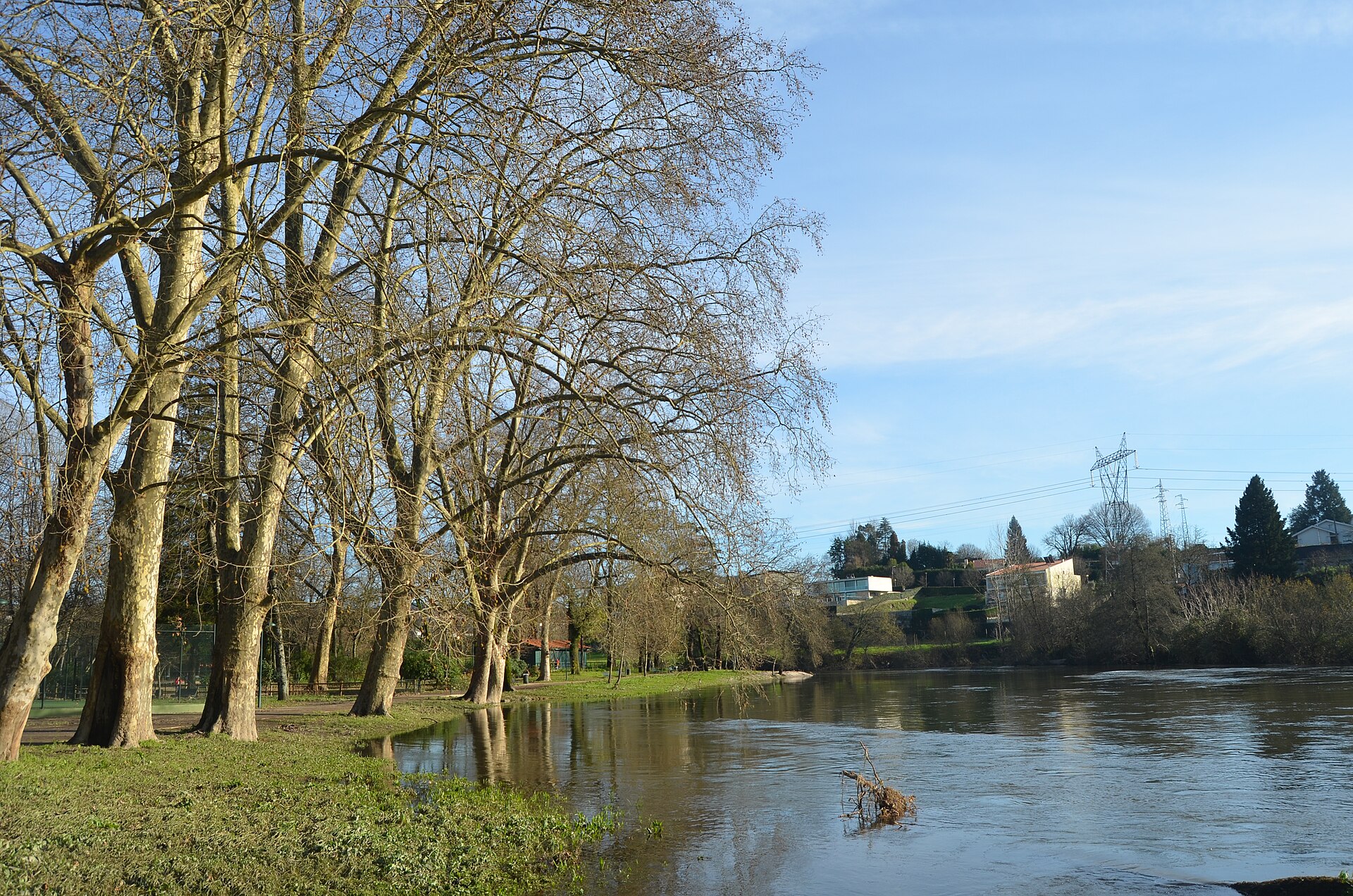
Guimarães, Portugal’s European Green Capital for 2026, is using a year-long programme to highlight green spaces, local sustainability and urban quality of life.
Guimarães in northern Portugal is spending 2026 as a European Green Capital, using the title to draw attention to its green spaces, local sustainability work and the way a historic city can also present itself as a modern environmental destination.
The city is already known for its role in Portuguese history and for its old centre, but the Green Capital year adds another layer. It asks visitors and residents to look not only at stone streets and monuments, but also at parks, mobility, biodiversity and public space.
European Green Capital titles are useful when they become more than branding. The best examples use the year to organise events, improve local pride, make environmental work visible and encourage people to see sustainability as part of ordinary city life.
Guimarães is a good fit for that kind of story because it is not one of Europe’s huge capitals. Its example can speak to smaller and mid-sized cities that are trying to become greener without losing their identity.
For travellers, the message is also changing. A beautiful city is no longer judged only by its postcard views. Increasingly, people want to know whether a place protects the things that make it worth visiting.
Source: Euronews Travel