
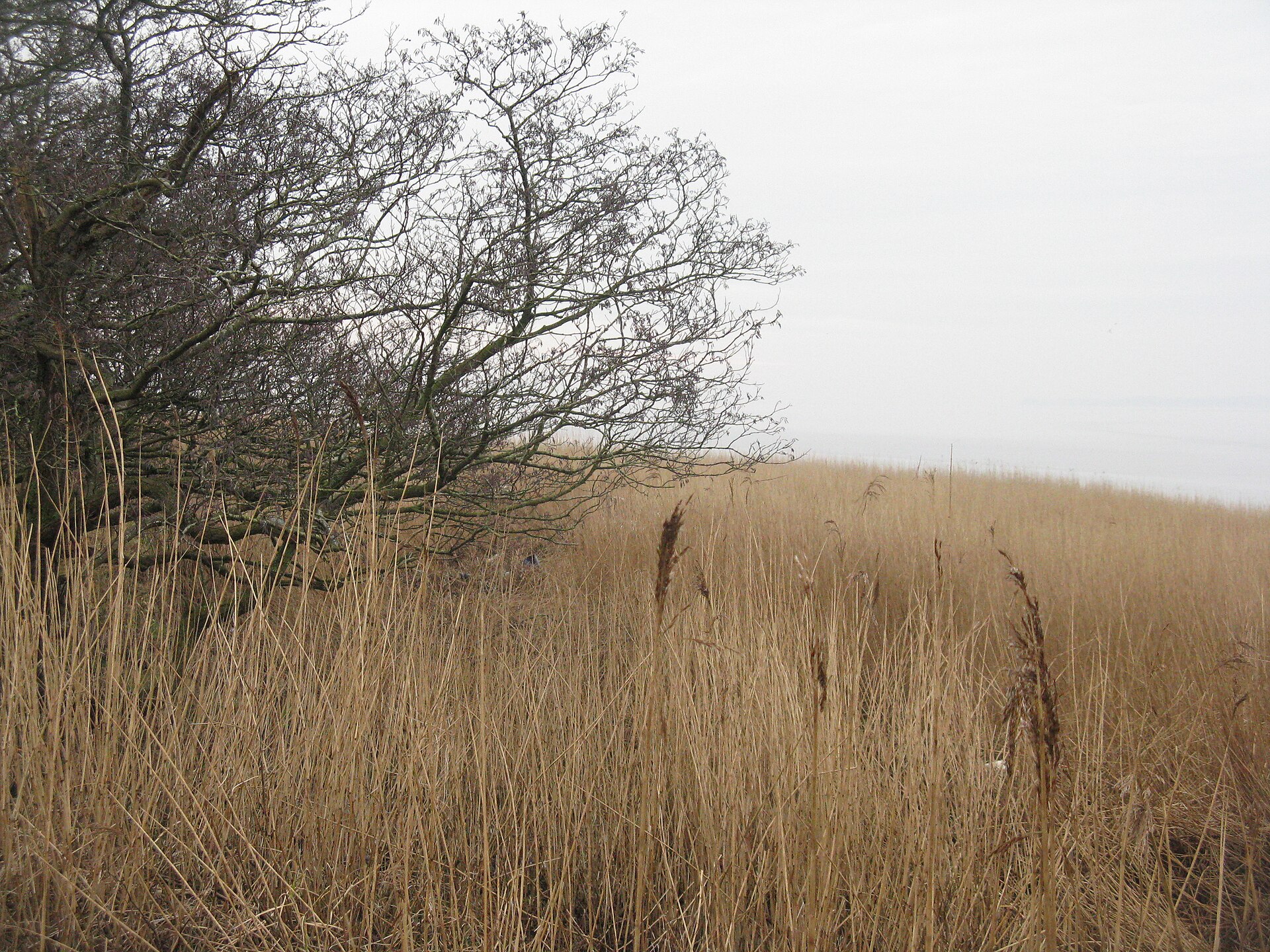
A four-year reedbed restoration project at Caerlaverock National Nature Reserve has been hailed as a success after marsh harriers returned to the site.
At Caerlaverock National Nature Reserve in Scotland, a patient four-year project to restore reedbed habitat has produced the result conservationists were hoping for: marsh harriers have returned to the site. NatureScot described the reedbed work as a success after reserve staff improved and expanded the habitat used by the birds.
The project focused on around seven hectares of reedbed. That may sound small beside a whole reserve, but for a species that depends on specific wetland structure, the quality of the habitat matters as much as the size. Reedbeds provide cover, nesting opportunities and hunting edges for birds that are rarely helped by general green space alone.
Marsh harriers were once very rare in Britain and remain a scarce breeding bird in Scotland. Their return to Caerlaverock is therefore not simply a nice sighting. It is a sign that practical habitat work can change the way a protected place functions for wildlife.
The restoration also shows why wetlands need active management. Reedbeds can become too dry, too fragmented or too uniform if they are left without attention. By reshaping the habitat, reserve staff gave a recovering bird a more useful place to live.
Source: NatureScot