
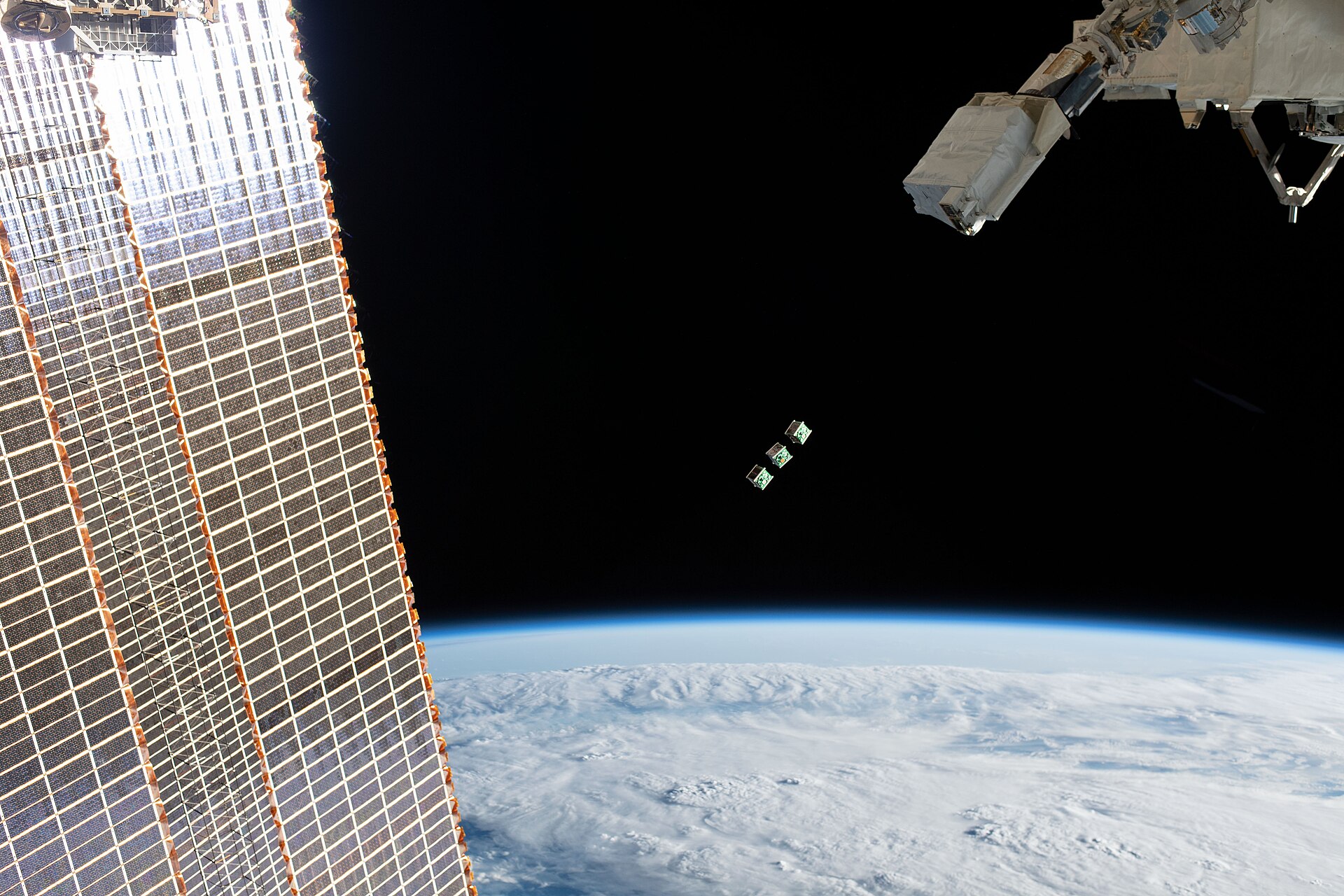
Solar panels and battery systems are beginning to reduce diesel generator use in remote Amazon communities where electricity depends on costly fuel deliveries.
Electricity in remote Amazon communities is often tied to diesel. Fuel has to be transported long distances by river, stored safely and burned in generators that are noisy, polluting and expensive to operate. When deliveries are delayed or prices rise, basic services can become less reliable.
Solar panels and battery systems are now being installed in some communities to reduce that dependence. The technology is familiar in cities, but its effect can be different in a remote village. Electricity means lighting after dark, refrigeration, phone charging, communication, small businesses, school activities and more stable service for community buildings.
The Brazilian Ministry of Mines and Energy has approved projects intended to bring cleaner power to large numbers of people over time. Reports on the programme point to the climate benefit of reducing diesel emissions, but the local practical benefit is just as important. Less generator use means less fuel transport, less noise and fewer hours shaped by the limits of diesel supply.
Solar does not remove every challenge. Remote systems need maintenance, trained local operators, battery replacement planning and protection from humidity, heat and flooding. A panel installed once and forgotten will not serve anyone for long. The useful projects are the ones that include long-term operation.
Still, the direction is clear. In communities where every litre of diesel has to arrive by boat, sunlight collected on a roof can become a more local form of power. That is a quiet change with daily consequences.
Source: CleanTechnica