
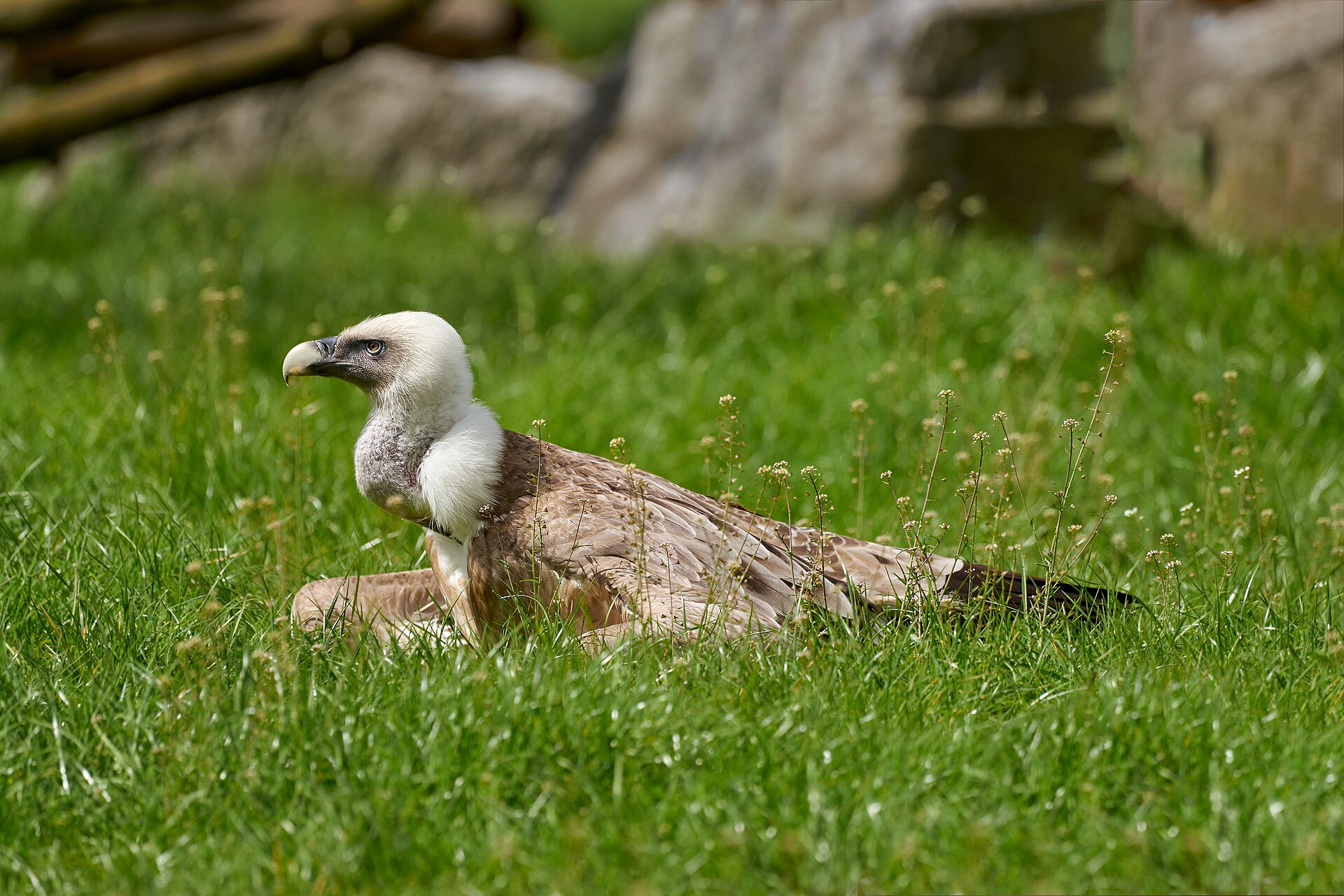
After falling to very low numbers, Sardinia’s griffon vultures have recovered to more than 500 individuals through long-term conservation work.
Sardinia’s griffon vultures have become one of Italy’s clearest examples of a species recovering after a serious decline. At the beginning of the 2010s, the island’s population was in trouble, with poisoning and other pressures pushing the birds toward a dangerous low point.
Today, reports describe more than 500 griffon vultures on the island. That number reflects years of practical conservation: reducing poisoning risk, supporting suitable habitat, monitoring the population and helping young birds survive long enough to breed.
Vultures often suffer from a poor public image, but their ecological role is simple and valuable. By feeding on carcasses, they clean the landscape and reduce the spread of disease. When vulture populations collapse, ecosystems lose a natural service that has been working for thousands of years.
The Sardinian comeback also matters because large birds need large landscapes. A recovery on this scale suggests that conservation work has moved beyond isolated rescue and into habitat-level management.
The story is not finished, but the direction has changed. A bird once associated with decline on the island is now being cited as one of Italy’s most impressive conservation successes.
Source: Euronews