
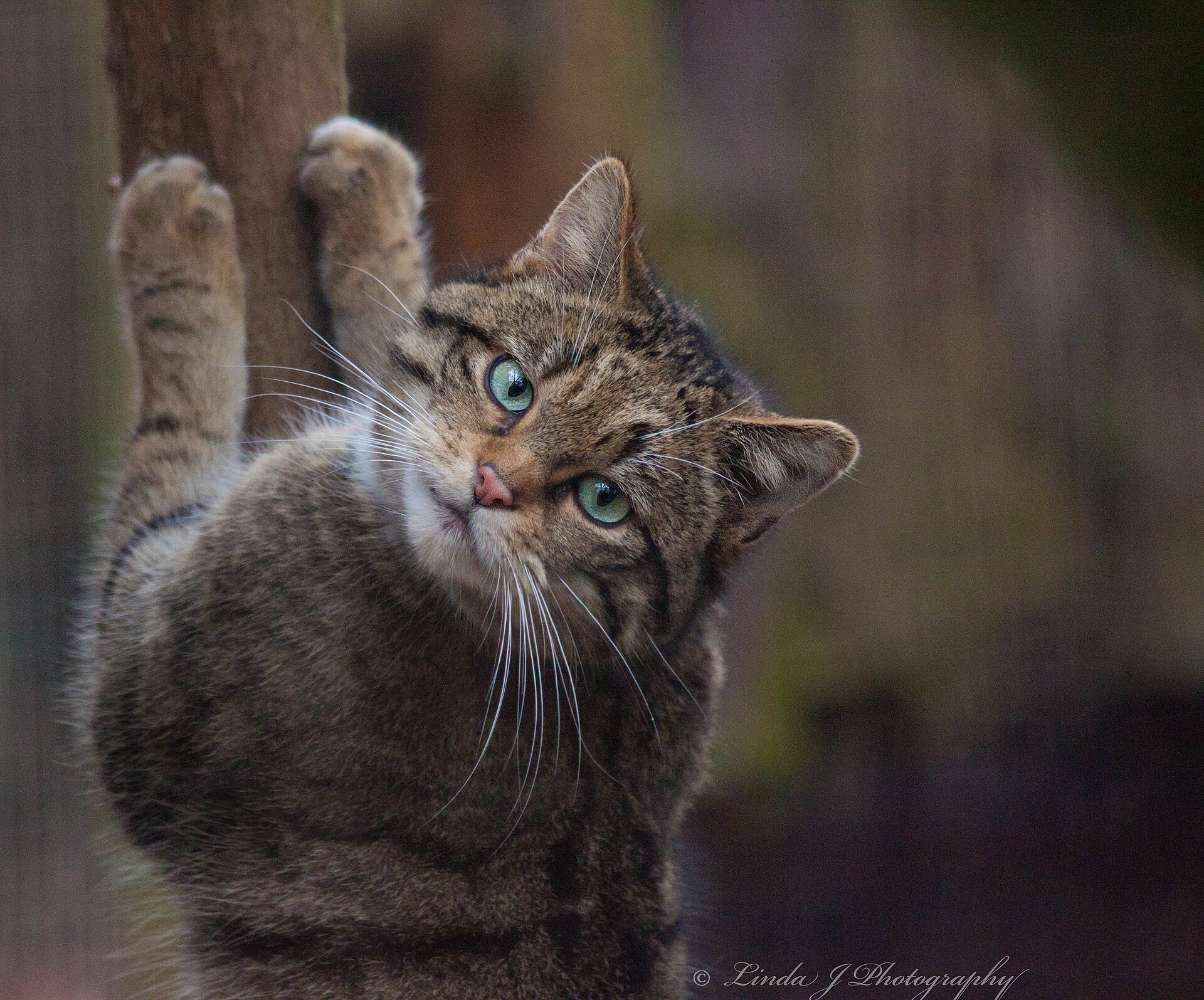
Over 35 Scottish wildcats have been released into Cairngorms National Park since 2023, with at least five litters born in 2025, marking a significant recovery milestone.
The Scottish wildcat was, by most assessments, functionally extinct in the wild before the reintroduction programme began. The pure-bred population had been reduced by habitat loss, persecution, road deaths and, most damagingly, interbreeding with domestic and feral cats, to the point where finding a genetically uncontaminated individual in the wild was nearly impossible. The species existed, in any meaningful sense, only in captivity.
Since 2023, more than 35 wildcats have been released into the Cairngorms National Park in the Scottish Highlands, supported by Rewilding Europe’s Wildlife Comeback Fund and a consortium of conservation organisations. The Cairngorms, with its ancient Caledonian forest, its deer-grazed moorland and its relative remoteness from dense human settlement, provides conditions that give the species a chance.
Seven litters were born in 2024. At least five more were confirmed in 2025. These are not captive births but wild ones, kittens born in the forest from parents that had established territories, found mates and reproduced without human assistance. Each litter represents a step toward a self-sustaining population, which is the goal that all reintroduction programmes ultimately work toward.
The wildcat is a demanding animal to reintroduce. It requires large territories, avoids human contact, and needs a prey base of rabbits, voles and birds sufficient to sustain it through Scottish winters. Managing the risk of hybridisation with domestic cats also requires ongoing monitoring and, in some cases, intervention.
The conservation team uses camera traps, GPS collars and regular surveys to track the released animals, monitor their health and document breeding activity. The data from these surveys feeds into management decisions about where to release additional animals and how to adjust the programme as it develops.
For Scotland, the wildcat carries enormous cultural weight. It appears in clan heraldry, in mythology and in the national imagination as a symbol of ferocity and independence. Its return to the Cairngorms is not only an ecological event. It is, in a quiet way, a homecoming.
Source: Ecologi